A different kind of healthcare company
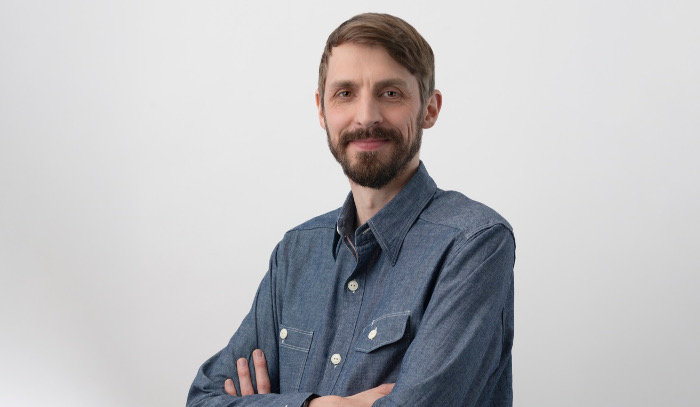
Dan Caines, Chief Strategy and Transformation Officer, Bupa
One of the things I enjoy most about my role is talking to people about how healthcare is changing and the opportunity we have to improve the way people experience it.
And in those conversations, there’s one thing about Bupa that still surprises a lot of people: we have no shareholders and that means we are able to reinvest our profits back into our purpose of helping people live longer, healthier, happier lives and making a better world.
For an organisation that’s been around for nearly 80 years and now supports 68 million customers globally, it’s not what people expect. But for me, it’s one of the things that makes Bupa such a special healthcare company and one of the reasons I love working here.
Because it means we can take a longer-term view and make decisions based on what we believe will genuinely improve health outcomes for people across the globe.
At a time when healthcare systems are under growing pressure, I think that matters enormously.
Healthcare is changing quickly. People want support to help them stay healthy as well as support if they get sick. They want support that feels easier to access, more connected and better suited to their everyday lives. What excites me most is the opportunity this creates to rethink healthcare in a much more joined-up, preventive and personal way.
You can already see that thinking shaping our investments today, especially in the areas where we believe healthcare needs to evolve most.
Expanding access to healthcare
In 2025 alone, we opened more than 100 new health provision sites globally, including new hospitals across the UK, Spain and Poland. Today, Bupa operates over 900 dental centres, over 500 clinics and 28 hospitals around the world.
We’re continuing to expand our healthcare provision because more people are looking for access to healthcare, and we want to make it easier for them to get the support they need.
Mental health is one of the clearest examples of where we believe healthcare needs to evolve.
Demand for mental health support continues to grow globally, but many people still struggle to access help early enough. We believe mental health should be a central part of everyday healthcare, not something treated separately from physical health.
That’s why we’re investing around £140 million to open 200 Mindplace mental health centres globally by the end of 2027. And we are well on the way with that mission having already opened 54 centres around the world since January 2025, serving thousands of customers with walk-in support, counselling and therapy programmes delivered by qualified professionals.
What I particularly like about Mindplace is that it reflects a broader shift towards prevention and ongoing wellbeing, rather than only stepping in once people reach crisis point.
Unlocking the potential of genomics
We see the same opportunity for earlier intervention and more preventive care in genomics too, which is why we’re investing around £40 million into our global genomics programmes.
We’ve already launched genomics products across the UK, Spain, Poland and Australia, delivering more than 28,800 genomic reports so far with more launches to come soon in Mexico and Chile. We’ve also launched what is now Europe’s largest whole genome sequencing programme by a private healthcare company.
What excites me about genomics is the opportunity to help people understand their health risks earlier and take action sooner if needed.
We see a similar opportunity in digital health.
Making healthcare easier to access
Through Blua, our home of digital health, we are making healthcare more convenient and accessible for millions of customers around the world. Today, Blua supports nearly nine million customers globally with around 100,000 video consultations every month designed to fit around our customers’ lives. People can now have an appointment from the comfort of their own home or work at a time that suits them.
Investing in the workforce of the future
We’re also investing in the people who will help shape the future of healthcare. Through Bupa Campus, we’re creating dedicated learning spaces and digital platforms to help our 100,000 colleagues develop the skills needed for the future of healthcare, from clinical care to technology and AI.
For me, that’s another important part of taking a longer-term view. The skills needed to deliver great healthcare are evolving all the time, and continuing to invest in upskilling our colleagues is just as important as investing in new technology or infrastructure.
Building healthcare around people
Across all of these investments, the common thread is that we’re trying to build healthcare around people and their long-term wellbeing. That also means listening carefully to what customers actually need.
In 2025, we made more than 14,800 improvements based on customer feedback across our markets, helping increase our global Net Promoter Score, or more simply how likely customers are to recommend us, by +5.2 points to 71.9.
We still have a huge amount to do, and healthcare will continue changing quickly, but I’m optimistic about where we are headed. I genuinely believe that by continuing to reinvest in healthcare provision, innovation, digital health and our people, we can help make healthcare more preventive, more personalised and much easier for people to navigate.
And because Bupa reinvests its profits back into its purpose, we have the opportunity to keep building towards that future for the long term, helping more people live longer, healthier, happier lives and making a better world.