When prioritising our health, our first thought may not be to pick up a paintbrush. However, neuroscience is increasingly revealing a powerful connection between creativity and wellbeing. For example, research shows that just 30 to 45 minutes of making art can help reduce feelings of stress and anxiety.
Katherine Templar Lewis, creative neuroscientist at Kinda Studios, explains: “Scientific research shows that creative activity isn’t just enjoyable; it can have measurable effects on the body and mind.”
Even viewing art can have a positive physiological effect on our health, whether that’s done in a gallery or on a social media feed.
We speak to Fiona Bosman, Global Brand Director at Bupa, about the latest research on the links between creativity and health, the global initiatives that are already showing results and the launch of Bupa’s Express Your Health campaign.
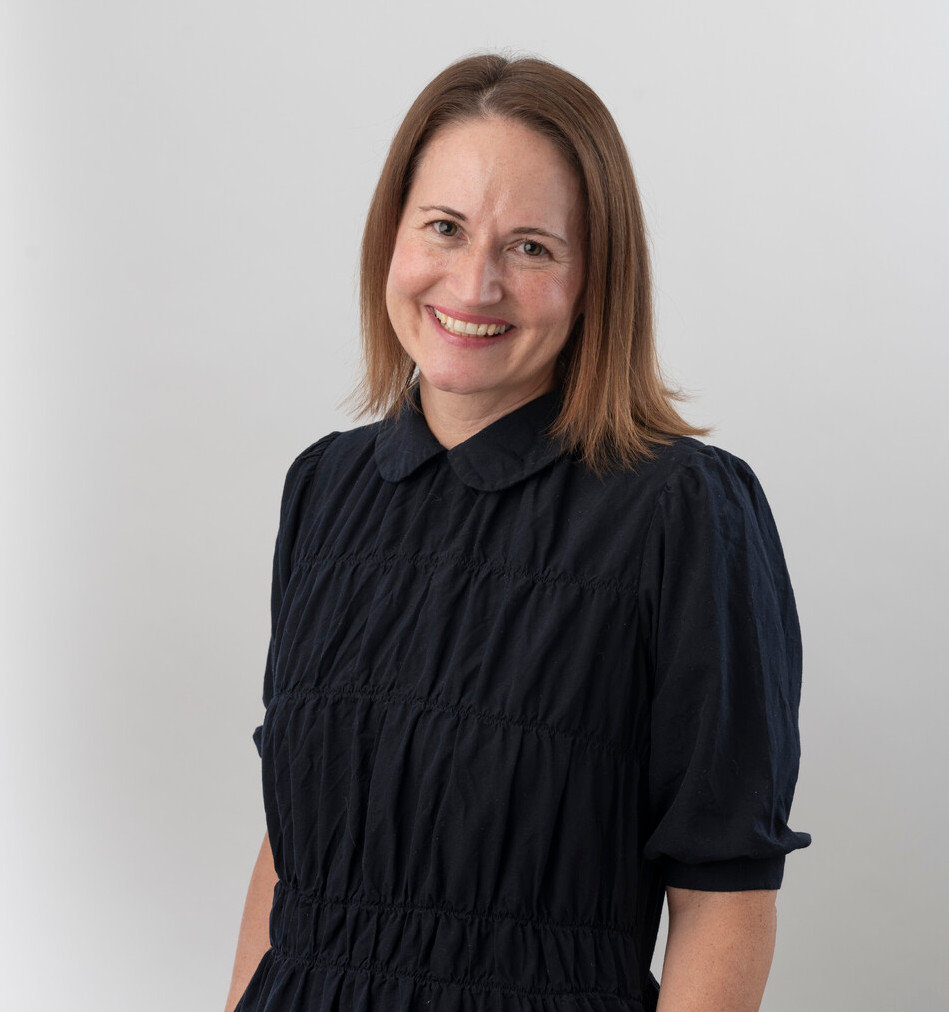
Bupa has a strong commitment to helping people take care of their mental health, and creativity is a wonderful practice to add to your healthcare routine to stay in good mental wellness.
Fiona Bosman
Global Brand Director, Bupa
In brief:
- Studies show that being creative isn’t just enjoyable; it can also have a positive impact on the brain and body.
- How good you are at art isn’t an issue: everything from doodling to sculpture can have positive effects.
- Bupa’s Express Your Health campaign is bringing together creators from around the world to encourage people to share their own health stories through art, and experience the health benefits of doing so.
How creativity can help our health
Whether we’re painting, sculpting, sketching or knitting, being creative isn’t just rewarding in the moment. Short bursts of creative activity have been shown to lower negative mood, enhance emotional regulation, and help to shift our brains into a more reflective, regulated state.
Art making has been proven to lower our cortisol levels, while 20 minutes of simply viewing art can reduce stress by around 22%. Viewing art alongside other people may also encourage the release of oxytocin, a hormone associated with social bonding and connection.
And there’s another layer to the effect of art and creativity on our wellbeing. Creative expression can help us process complex life experiences, including those relating to our health, from externalising pain that might be invisible to onlookers to processing a chronic condition.
Why everyone can benefit from engaging with art
Perhaps the best news is that there’s no barrier to entry for these beneficial effects. According to recent research, even simple, low-skill creative activities such as doodling can support attention and reduce cognitive overload. Furthermore, large-scale population research shows links between regular arts engagement and improved mental health trajectories over time. Engaging with art consistently, no matter the medium, is likely to support health, with junk-journalling – using stickers, scraps or notes to produce a diary – being just as potentially beneficial as getting out the easel and oil paints. The important thing isn’t what we produce, but that we make something.
How it’s working around the world
There are already projects around the globe championing these effects. Graphic Medicine brings together a global community of creators, patients and medical professionals who use the medium of comics to share personal stories of illness and health. In countries across Europe, GPs are increasingly ‘prescribing’ participation in art groups, with programmes including Cultural Prescriptions helping patients manage anxiety and depression. This shift is backed by the World Health Organization, which has leaned into research on the role of art in health by collaborating with initiatives such as the Jameel Arts & Health Lab.
To help encourage people to share their own health stories and experience the positive impact on their health, Bupa has launched Express Your Health: a global campaign featuring art from 21 individuals with their own stories to tell. From Coco Dávez, who expressed her experiences of depression through a colourful abstract portrait, to Australian Football League player Cody Weightman, who used his spray-painted creation to process his recovery from painful knee surgery, these creators have come together to contribute to one of the largest hand-painted murals in Europe, on London’s South Bank.
And it’s not just established artists who can contribute. We’re encouraging people from around the world to share their own health stories through art they’ve created at home and add to our digital mural.
Why not give creativity a try?
Art may be one of the most accessible ways to support our health and wellbeing. As conversations around health continue to evolve, art offers a powerful way to share stories, build empathy and remind people they are not alone. Creativity is for everyone, not just trained artists or ‘naturally creative’ people.