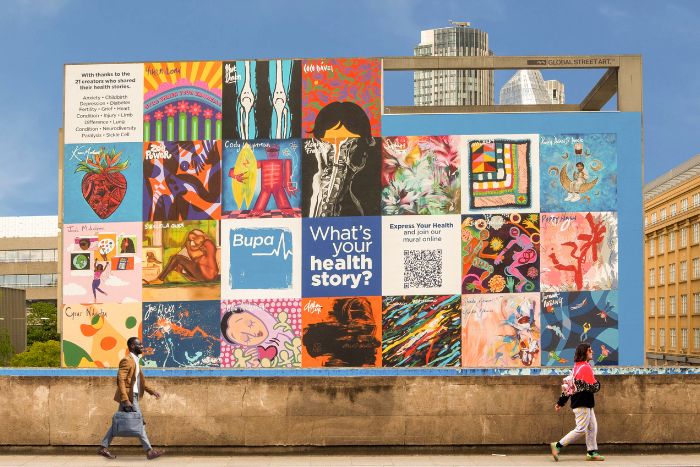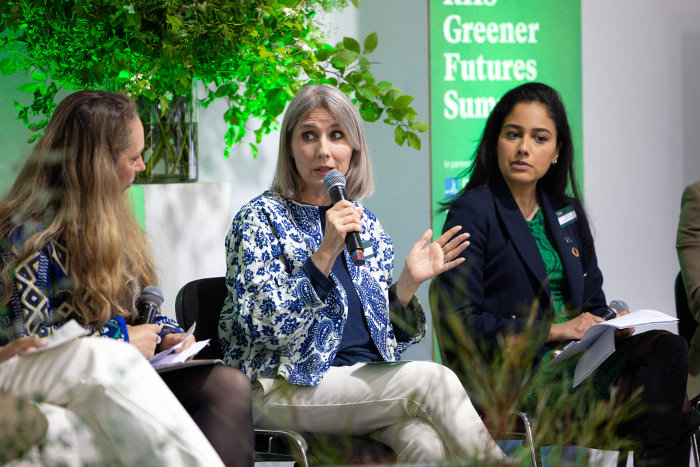
Bupa joined leaders from health, sustainability, business, design and community organisations at the RHS Greener Futures Summit, hosted at the RHS Chelsea Flower Show, to explore a shared challenge: how do we create environments that support healthier lives?
As the healthcare partner of the Summit, Bupa brought together perspectives from across sectors to explore the relationship between human health, nature and climate - reinforcing an idea that sat at the centre of discussions throughout the day: the health of people and the health of our environment are deeply connected.
Opening the event, Professor Melvin Samsom, Group Chief Medical and Sustainability Officer, Bupa, reflected on the link between people and planet health, joined by Abdul Jamial, ambassador for Asthma + Lung UK, whose experiences highlighted the very real impact environmental factors can have on health and wellbeing.
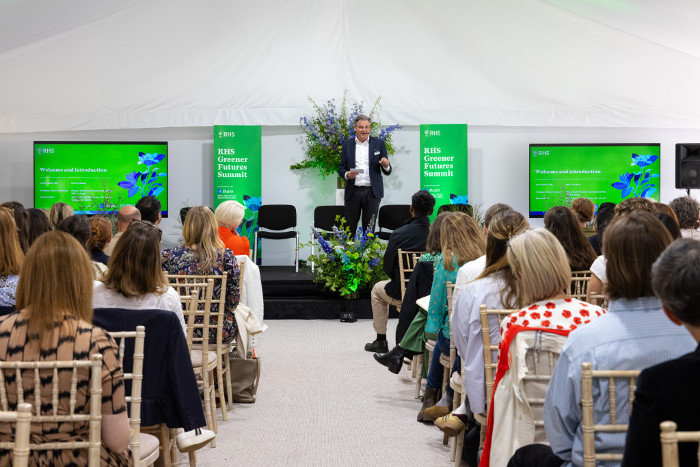
Professor Melvin Samsom, Group Chief Medical and Sustainability Officer at Bupa, said: “The connection between human health and environmental health is clear. Our cities, communities and green spaces influence health outcomes every day. Improving long-term outcomes means looking beyond healthcare settings and working together to create the conditions people need to live longer, healthier and happier lives.”
From greener cities to youth mental health, here are five reflections from the Summit:
1. Health starts long before someone enters a healthcare setting
One of the strongest themes to emerge was the role our environments play in shaping health outcomes.
During the session An Urban World?, speakers including Judith Lösing, architect and author of London Arboretum, George Hudson from the RHS, Dr Phil Askew, Director of Landscape and Placemaking at Peabody and Alison Nuttall, Head of Sustainability at Range Rover explored how urban design, green spaces and climate resilience influence physical and mental wellbeing.
The discussion moved beyond whether nature belongs in cities, to how urban environments can be intentionally designed to support healthier lives.
As cities continue to grow, the conversation highlighted that access to green space is not simply beneficial - it is fundamental infrastructure for healthier communities.
2. Nature is not a luxury – it is essential infrastructure
A recurring theme throughout the Summit was the role nature can play in creating more resilient communities.
In conversation with Shobi Khan, CEO of Canary Wharf Group, discussions focused on how businesses can help shape healthier urban environments and move beyond “adding green space” towards restoring biodiversity and creating long-term social impact.
His reflection that cities must work for nature as well as people echoed throughout the day.
Speakers explored how organisations, policymakers and businesses can collaborate to integrate sustainability and health into the places where people live and work.
3. Mental health and nature are powerfully connected
Mental wellbeing remained central across discussions.
The Storytelling Rooted in Nature and Health session brought together Charlie Chase, designer of the 2026 RHS Award Winning YoungMinds Garden, and nature and inclusion advocate Nadeem Perera, exploring how nature, community and storytelling can support wellbeing and engage younger generations.
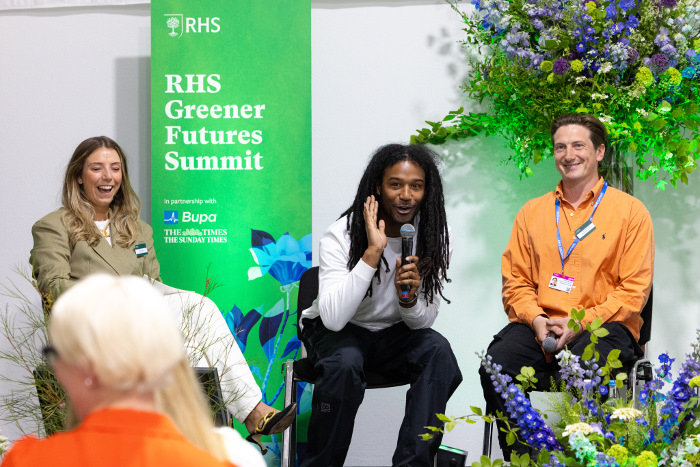
The Summit also explored how gardening and access to green spaces are increasingly resonating with younger audiences through social platforms, with creators Millie Proust and Lucy Hutchings sharing perspectives on why gardening has captured a new generation.
These themes were brought to life through the YoungMinds Garden at the RHS Chelsea Flower Show, supported by the Bupa Foundation. Designed as a biodiverse, plant-rich space, the garden highlights the pressures facing young people’s mental health while demonstrating the importance of community and connection in helping them thrive.
After the show, the garden will move to Newham where it will continue its legacy as a community space.
4. Communities are essential to healthier futures
Across discussions on health, sustainability and social impact, one idea continued to emerge: lasting change happens locally.
The session Building Communities Through Health and Nature brought together Anna Russell, Corporate Responsibility and Sustainability Director at Bupa Global and UK, and Bupa Foundation Director, Khadija Ali, Group Director of Sustainability and Responsible Business at Lloyds, and Sarah Galvin, Head of National Community Programmes at the RHS.
Together they explored how accessible green spaces, inclusive community initiatives and stronger local connections can contribute to wellbeing and resilience.
At the Summit, guests were also invited to sign up to Bupa’s Healthy Cities challenge and engage with the Bupa Foundation’s Green Community Grants initiative, helping encourage action beyond the event itself and support greener spaces within communities.
5. Collaboration is how progress happens
The Summit brought together voices from healthcare, business, sustainability, media and the charity sector – from healthcare leaders and community organisations to businesses, designers and advocates.
That diversity reflected an important reality: creating healthier futures cannot sit with one organisation or sector alone.
At Bupa, supporting healthier environments forms part of our Better World strategy because healthier people and a healthier planet are inseparable.
The RHS Greener Futures Summit demonstrated what becomes possible when organisations come together around that shared ambition.
Looking ahead
The conversations at the RHS Greener Futures Summit do not end at the show.
The themes explored throughout the Summit - healthier cities, stronger communities, nature and wellbeing - will continue to shape how organisations think about health, sustainability and the environments people need to thrive.
For Bupa, the Summit was an opportunity to contribute to that conversation and continue championing the role healthier environments play in helping people live longer, healthier, happier lives and making a better world.