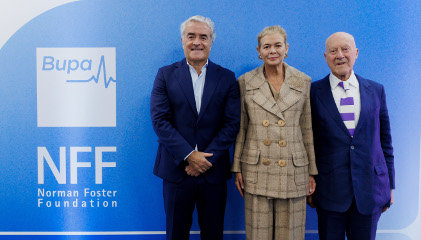
- Mikel Arteta has completed Bupa’s whole genome sequencing test to better understand how his genetics and lifestyle may shape his health
- The results offered insights into how his body may process certain medicines and identified genetic variants associated with an increased likelihood of coeliac disease and lactose intolerance, helping inform future discussions with his doctor and sparking an even bigger focus on nutrition for the football manager
- Bupa is investing around £40 million in genomics as it expands more preventive and personalised healthcare across its markets
Bupa today announced a partnership with football manager, Mikel Arteta, as part of its What You’re Made Of programme, which explores how insights from DNA can support more proactive and personalised healthcare.
For Mikel, the results offered food for thought on nutrition, with Bupa’s whole genome sequencing test revealing an increased genetic risk of coeliac disease and lactose intolerance. Already attentive to his diet and lifestyle, Arteta said the findings would help guide future decisions about what he eats, particularly when it comes to gluten and dairy, and spark conversations about healthy eating with his family.
The test identified genetic variants that may influence how Mikel responds to certain medicines. If he needs treatment in the future, his doctors could use this information to help choose a medicine or dose suited to his genetic profile. Findings from Bupa’s whole genome sequencing programme show that nearly 100% of participants carry variants that could influence their response to certain medicines.
As one of the world’s leading football coaches, Mikel Arteta understands the value of preparation and looking ahead. Born with a heart condition, he has always been conscious of his own health, especially since having children. He wanted to take that same proactive approach to staying well for himself and his family over the long term.
Commenting on his experience, he said: “I really believe it’s important to be on the front foot and proactive about health. A big part of that, for me, is understanding what may come in the future rather than just waiting for something to happen, so this process has been really rewarding. Of course, if the results had shown something more serious, I would have been able to adapt accordingly. Equally, the fact that they didn’t has provided significant reassurance.”
Following a blood test, Mikel Arteta received personalised insights into how his genetics and lifestyle may work together to shape his health. His results were explained by a Bupa clinician, who helped him understand what they mean and the steps he may be able to take.
Bupa’s whole genome sequencing test can provide insights into genetic risk across more than 36 conditions, including 10 cancers. It also provides information about carrier status and how someone’s genetic profile may influence their response to certain medicines.
Importantly, the test only reports findings where preventive action can be taken, such as earlier screening, clinically appropriate interventions and evidence-based lifestyle changes that can help people manage their health risks. Each participant receives expert clinical guidance and a personalised health plan based on their results.
Mikel Arteta’s experience forms part of Bupa’s wider investment in genomic healthcare. Bupa is investing around £40 million in its global genomics programmes and has completed more than 25,000 genomic tests across the UK, Spain, Poland and Australia. This includes whole genome sequencing tests completed through programmes across the UK, Spain and Poland, making it Europe’s largest whole genome sequencing initiative by a private healthcare company.
Across its markets, Bupa is integrating genomic insights into prevention, treatment and care in different ways. In the UK, its Prevention Pathways for breast cancer, cardiovascular disease and diabetes combine clinical assessment with genetic risk information to guide personalised preventive care. The pathways are expected to support more than 200,000 people by the end of 2027. Bupa also offers whole genome sequencing in Spain, Poland and Chile, and standalone pharmacogenomic services in the UK, Spain and Australia.
Professor Melvin Samsom, Group Chief Medical and Sustainability Officer at Bupa, said: “Knowing how genetics can influence someone’s risk of certain health conditions, lifestyle choices and response to medicines gives clinicians a more complete picture when supporting healthcare decisions. Mikel now has those insights to share with a doctor if he needs them in the future. His results have also prompted him to look more closely at his nutrition and choices that support his long-term health.
“For Bupa, a genetic test is the starting point. We combine genomic insights with clinical guidance and preventive care so people can understand what their results mean and take informed steps to look after their health, whether that means acting on a risk today or having useful information to draw on later.”
Visit Genomic Health to find out more about Bupa’s genomic programmes.
Notes to editors
About Bupa’s global genomics programmes
Bupa is investing around £40 million in its global genomics programmes as part of its ambition to support more preventive, personalised and proactive healthcare.
Since the launch of the programme, Bupa has completed more than 25,000 genomic tests across the UK, Spain, Poland and Australia. This includes whole genome sequencing tests across the UK, Spain and Poland, making it Europe’s largest whole genome sequencing initiative by a private healthcare company.
Findings from Bupa’s whole genome sequencing programme include:
- 77% of participants have an elevated polygenic risk for at least one common condition, such as diabetes or hypertension.
- 5% carry high-risk monogenic variants associated with serious conditions, including inherited cancers and cardiovascular disease.
- Nearly 100% carry genetic variants that could influence how they respond to certain medicines.
- 28% have genetic variants that may affect their response to commonly prescribed antidepressant and anti-anxiety medicines.
Bupa’s genomic capabilities
- Whole genome sequencing: Bupa’s most comprehensive genomic test, providing a broad range of insights from across an individual’s genome. These can include inherited risks for certain conditions, polygenic risk for common diseases and information about how an individual may respond to certain medicines.
- Pharmacogenomic testing: Focused specifically on how an individual’s genetic profile may affect their response to certain medicines. This is also available as a standalone service in some markets.
- Genomics-led Prevention Pathways: Using genetic risk information alongside other health information to identify people who may be at increased risk of certain diseases and connect them with personalised screening, prevention and care.
Bupa is developing and introducing genomic healthcare services according to the needs, customer demand and healthcare systems of its individual markets. Current examples include:
- UK: Medication Check, a standalone pharmacogenomic service, and genomics-led Prevention Pathways for cardiovascular disease, diabetes and breast cancer.
- Spain: Sanitas offers Mi Salud Genómica, its whole genome sequencing service, and Mi Farmagen, its standalone pharmacogenomic service.
- Australia: Bupa offers standalone pharmacogenomic services.
- Poland: LUX MED offers whole genome sequencing.
- Chile: Bupa Chile offers whole genome sequencing.
Participation in Bupa’s genomic programmes is voluntary and supported by appropriate clinical guidance and counselling.
Genetic data generated through Bupa’s genomic programmes is used solely to support personalised healthcare and preventve action. Bupa does not use genetic data to set insurance premiums and complies with all applicable local laws and ethical codes.
About Bupa
Established in 1947, Bupa's purpose is helping people live longer, healthier, happier lives and making a better world. We are an international healthcare company serving 68 million customers worldwide. With no shareholders, we reinvest profits into providing more and better healthcare for the benefit of current and future customers. Bupa has businesses around the world, principally in Australia, the UK, Spain, Poland, Chile, Hong Kong SAR, India, Türkiye, Brazil, Mexico and New Zealand. We also have associate businesses in Saudi Arabia.