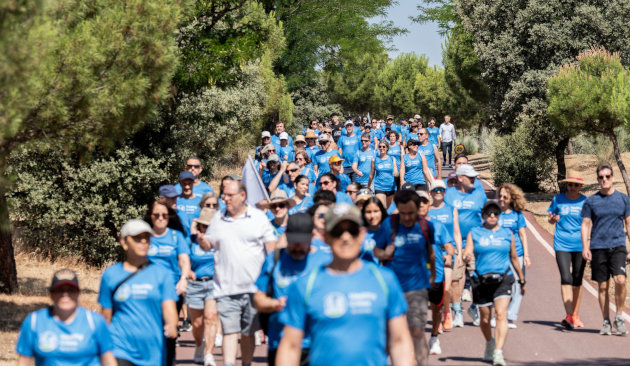
There’s a reason sports club participation surges when national teams succeed: watching elite athletes in action reminds us of what our bodies are capable of, and how joyful it can be to just move. But turning that temporary spike into sustained interest isn’t always easy: a quick burst of inspiration doesn’t solve problems like busy work schedules or a lack of accessible facilities.
On the back of the Glasgow 2026 Commonwealth Games, we spoke to Fiona Bosman, Group Brand Director, about how sport can act as a force for inclusion, the actions Bupa took to help athletes from every background to perform at their best and how sport can empower more people to unlock the physical and mental benefits of being active.
In brief:
- Sport is a powerful catalyst for health: regular physical activity helps reduce the risk of major conditions such as heart disease and diabetes while significantly boosting mental health.
- Inspiration needs infrastructure: major events including the Glasgow 2026 Commonwealth Games can spark initial enthusiasm, but long-term focus on accessible facilities and inclusion is what creates lasting habits.
- Bupa believes that everyone should be able to experience the physical and mental benefits of staying active. That’s why we partnered with the Games this year to champion inclusive movement – including funding essential Para sport repairs, providing athletes with dental care and working with Glasgow Council to regenerate green urban spaces.
Why sport matters for health
Physical activity is one of the most powerful medical interventions available to almost anyone: regular movement can help lower the risk of cardiovascular disease, stroke and diabetes while providing a crucial buffer against depression and cognitive decline. Beyond its individual impact, movement is a foundational pillar of public health, with activity patterns established in childhood seeming to influence lifelong health trajectories.
Whether we’re running around on the netball court or having a game of lawn bowls, engaging in competition and communal movement helps us to move more, engage with other people and get back in touch with our minds and bodies. And we’ve already seen that large-scale efforts can have a genuine impact with Spirit of 2012. Established as an independent trust by the UK’s National Lottery Community Fund after the London 2012 Olympic Games, it has invested in over 200 projects across the country over the past decade, exploring the ways national sporting events can be relevant to towns and rural communities.
How Glasgow 2026 can help to create lasting change
With inclusion at its heart, the Glasgow 2026 Commonwealth Games presented a huge opportunity to create sustainable interest in sport. Bringing together 74 nations and territories across a huge range of events, the Games also saw Para and non-Para athletes compete on the same global stage, in the same iconic venues, over the same 11-day period.
But there’s more to inclusion than who’s invited. Bupa worked closely with Glasgow 2026 to identify areas that could benefit from additional support during the Games period. That meant funding wheelchair repairs and contributing to prosthetic and orthotic repairs both at Games venues and at the world-leading National Centre for Prosthetics and Orthotics (NCPO) at the University of Strathclyde.
It also included providing all teams competing with access to dental care at local clinics in Glasgow: this can be an overlooked issue for many athletes, as poor oral health can cause issues with eating, sleeping and performance.
At the same time, Glasgow 2026 aimed to set a new standard for sustainable major sporting events, with Bupa investing in projects that can support biodiversity, water and air quality, flood resilience and regenerating green spaces in community areas across the city. Cities play a vital role in preventative healthcare, and more places to safely play encourage spontaneous sport participation at every level.
From inspiration to impact
Elite sport might be a catalyst for change, but meaningful action is what makes it stick: we’ve seen across other international championships that the enthusiasm of a major event has to be followed up with proactive, long-term initiatives. Following the largest Women’s World Cup in history in 2023, hosted by Australia and New Zealand, the Play Our Way fund unlocked A$200 million in government grants to adapt community sports facilities in Australia, so women and girls wouldn’t be turned away from football by outdated infrastructure.
After the 2023 Cycling World Championships in Scotland, an £8 million Cycling Facilities Fund was established to build on the growing interest in cycling by developing a network of accessible facilities across the country. And to ensure the 2015 Parapan Am Games had a permanent impact, Toronto and Ontario leaders invested in public spaces that accommodated wheelchair sports, while also establishing permanent funding for local Para sport clubs and equipment-sharing banks. These initiatives and others helped to provide a roadmap for change.
Elite-level sport can help to inspire a healthier, more active and genuinely inclusive society, but only with the right backing. By focusing efforts on movement, inclusion and community wellbeing, we hope the Glasgow Commonwealth Games will have a positive impact, long after the final medals were awarded.