

Apple Podcasts

Spotify

YouTube
Watch the trailer
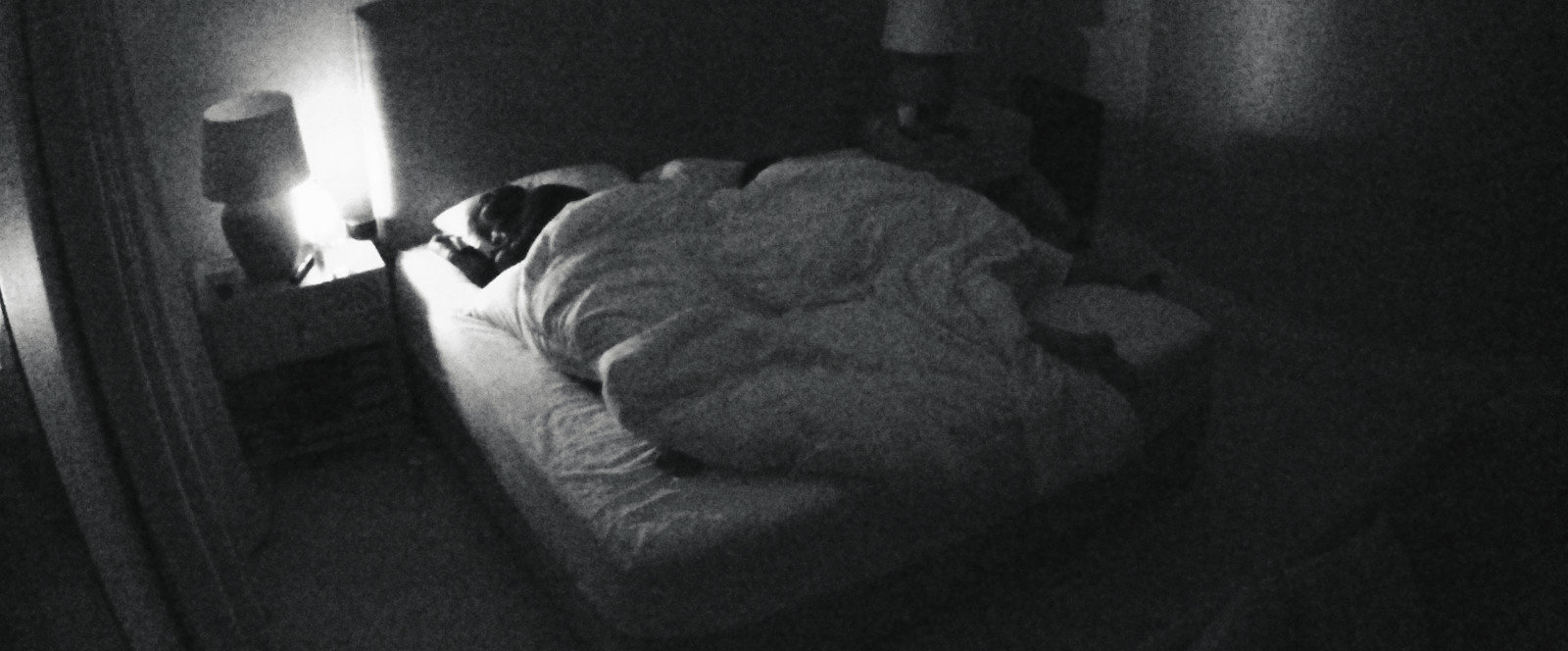
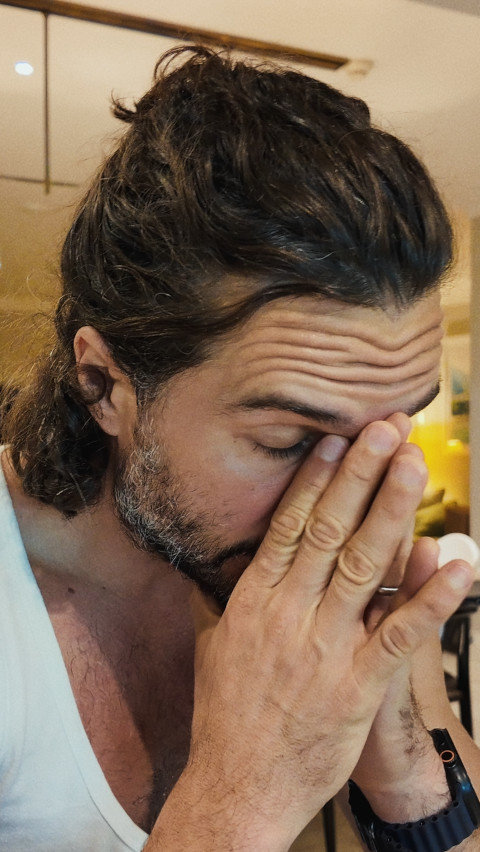
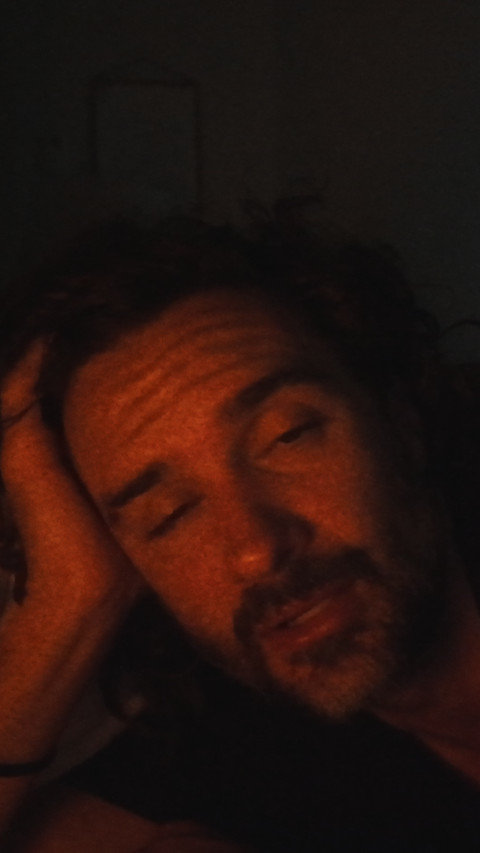
Joined by leading sleep scientist Dr Sophie Bostock, Joe radically cuts his sleep time — and tests some of the most viral sleep strategies from social media.
Meet the expert
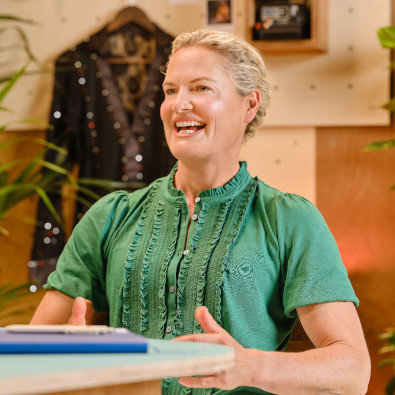
Dr Sophie Bostock, sleep scientist
With a background in medical psychology and years of clinical research, Dr Bostock translates circadian biology and evidence-based CBT-I (Cognitive Behavioural Therapy for Insomnia) into practical strategies for rest, resilience and performance.
In this episode, she analyses the physiological and psychological fallout Joe suffers after sleeping for just five hours a night: discussing sleep debt, appetite dysregulation, and the most popular sleep hacks and routines.
Three key takeaways
Improve your sleep fast with three simple tips from Dr Sophie Bostock.

“If everyone could just get outside into natural daylight every day, that would really help with their sleep,” says Dr Bostock. Get outside into daylight as soon after sunrise as possible – natural morning light sets your circadian rhythm, signalling to your brain that it's daytime and paving the way for better sleep.
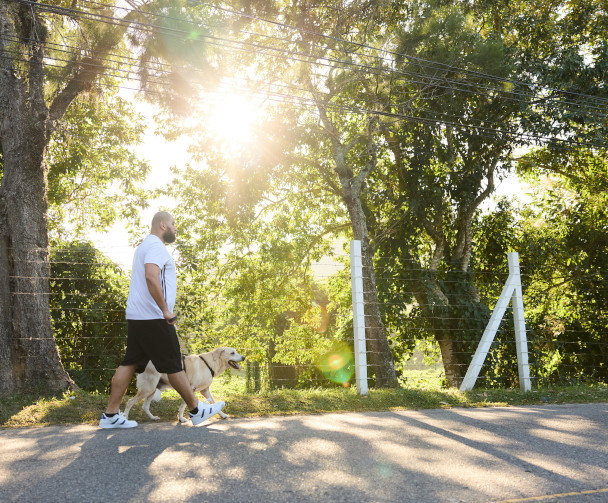
Getting a little bit more physical activity throughout the day increases your biological need for rest – your sleep drive – helping you fall asleep faster. Try taking a short walk after dinner, or gentle stretching while you watch TV.
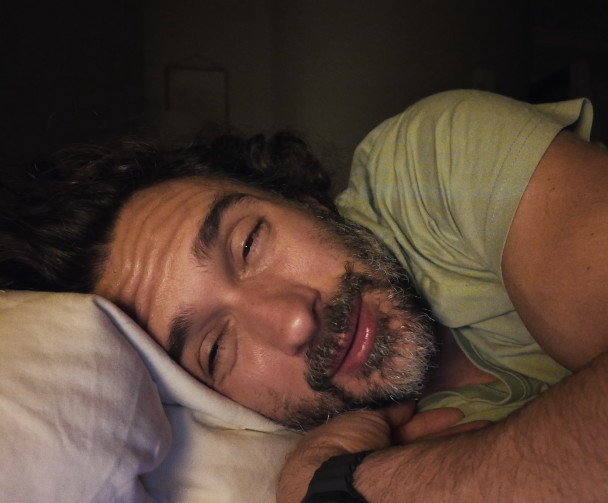
There’s no need to try and make your sleep routine perfect: just focus on simple things, like cutting out caffeine late in the afternoon and removing devices from your bedroom. Consistency is the key.
Beyond the episode
Your daily circadian fix
Keep your body clock on track with this daily checklist:
- Morning: Get natural sunlight within 30 minutes of waking to boost alertness.
- Meals: Eat at consistent times and stop two hours before bed.
- Evening: Catch the sunset, then take a warm shower or bath to cue sleepiness.
- Night: Dim lights and switch off screens two hours before bed to help melatonin rise.
Tactical napping guide
Choose the nap that fits your day:
- The power nap (under 20 mins): Boosts afternoon focus without deep, groggy sleep. Set an alarm.
- The full cycle (90 mins): Takes you through deep and REM sleep. Avoid within six hours of bedtime.
- The “nappuccino”: Have an espresso before a 20-minute nap, so the caffeine kicks in as you wake.
- Learn more about Dr Bostock’s work
- Globally, insufficient sleep is now considered a major public health issue because of links to compromised health
- Less than 5 hours of sleep nightly is linked to a 40% higher risk of obesity and elevates cortisol, which is associated with diabetes type II
- Sleep deprivation increases inflammatory markers
- In a UK survey of over 2000 people, over half (54%) reported feeling stressed due to poor sleep, and 36% eat unhealthily, say researchers at the University of Oxford
- 64% of young people (aged 17-23) in UK report having sleep problems 3 or more times in a week, says NHS England Digital
- Approximately 20%–40% of young children suffer from poor sleep health — including insomnia symptoms, frequent waking, and insufficient duration—which significantly correlates with poorer physical, mental, and academic outcomes
- Insufficient sleep is linked to obesity, emotional dysregulation, and a 30% rise in anxiety-related sleep issues. Over 84% of children have one or more unhealthy sleep habits (e.g., technology in the bedroom), which are linked to lower sleep quality
Other episodes
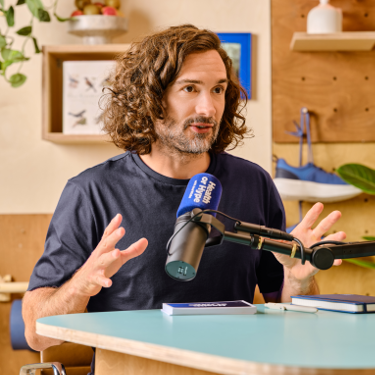
Joe Wicks is putting his own body and mind to the test in Health or Hype
Separating social media trends from evidence-backed advice to find out what can actually work when it comes to our health.