
For thousands of years, natural light and darkness helped shape our daily rhythms. Today, artificial lighting, round-the-clock schedules and digital technology give us unprecedented freedom to decide when to sleep — but also create new challenges for getting enough rest. There are hundreds of products and systems that promise to help us get a better night’s shut-eye, but more than 4 in 10 adults globally said their sleep had worsened in the past five years in a recent World Sleep Day study, while The Lancet recently published an urgent call for every country to promote sleep health.
When we launched Health or Hype, our experiment-led video podcast featuring Joe Wicks, no topic sparked more conversation than sleep – with Dr Sophie Bostock sharing some key insights behind popular hacks like magnesium mocktails, kiwi fruit and cold baths. In this edition of The Big Question, Dr Bostock goes deeper: explaining exactly why sleep is so vital, suggesting ways that we can take charge of our own slumber and considering the broader changes needed to let us all wake up well-rested.
In brief:
- We need sleep more than many of us realise – for almost every process in the body.
- Small changes can make a meaningful difference to sleep, but improving sleep isn't always straightforward — and trying too hard can sometimes backfire.
- On a wider scale, we should all be doing more to protect the importance of getting enough sleep.
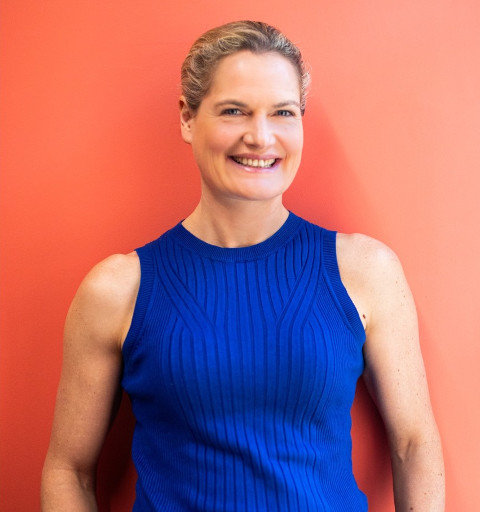
When we don't get enough sleep, it becomes harder for the brain to regulate our emotions and respond flexibly to stress. Everyday challenges can start to feel much more overwhelming.
Dr Sophie Bostock
Sleep scientist
Our need for sleep is wired into our DNA. Every cell, every organ, and every system in our body needs to operate on a regular cycle of activity during daylight hours and recovery at night. Insufficient sleep can disrupt many of the processes that support our health, while irregular sleep schedules can also interfere with the timing of our internal biological rhythms.
How much we need can be fairly individual, but all of us rely on sleep for focus and concentration, consolidating new information that we take in, emotional regulation and physical repair. And as we saw when Joe cut down his sleep by several hours for three nights during a Health or Hype experiment, sleep debt can very quickly affect our mood, appetite and even digestion. If we think back to our lives on the savannah, our bodies would have interpreted a lack of sleep as a sign of threats in our environment, so our stress levels become elevated very quickly in response to not getting enough.
How we sleep – and how much we need
We move through different stages of sleep throughout the night, though sleep trackers often combine the first two into ‘light sleep’. Lighter stages account for around half of adult sleep, while deep, slow-wave sleep is particularly associated with physical restoration and certain forms of memory consolidation. REM sleep, when most vivid dreaming occurs, is involved in emotional processing and learning. Every stage plays a role, and we need the balance of a full night's sleep. We cycle through these different stages multiple times during the night, and it’s perfectly normal to occasionally wake up between sleep cycles. Often you won't even remember it.
Most adults need around seven to nine hours of sleep, although individual needs vary. A small minority naturally need less, while others need more. Importantly, we aren't always good at recognising when insufficient sleep is affecting our performance. For many people, just trying to get to bed a bit earlier will make a noticeable difference, and having a simple bedtime routine reassures your brain that it knows what's going to happen next, which can be very helpful in itself.
If you're regularly struggling to fall asleep or stay asleep, and it's affecting your daytime wellbeing, it's worth seeking support. Cognitive behavioural therapy for insomnia (CBT-I) is the recommended first-line treatment for chronic insomnia. This is a toolkit which combines cognitive and behavioural approaches to re-train your natural sleep patterns and address unhelpful sleep thoughts. Relaxation techniques such as progressive muscle relaxation can also be helpful, particularly when stress or tension is keeping you awake. But there’s a Goldilocks aspect to it – if you stress about sleep too much, that can make it more difficult to nod off. Sleep isn't something we can force. If you're lying awake, reminding yourself that quiet rest can still be beneficial may help take some of the pressure off. You don't have to make sleep happen — the aim is to create the conditions that allow it to come naturally.
5 ways to sleep better
Bupa Medical Director Dr Ravi Lukha shares five practical ways to wind down and get more sleep-ready:
- Anchor your circadian rhythm: Keep sleep and wake times broadly consistent. Your body clock loves routine, even if real life isn’t always predictable.
- Limit bright screens: Dim screens and bright lights before bed. They can signal to your brain that it’s still daytime, making it harder to wind down.
- Watch caffeine and alcohol: See what happens if you avoid caffeine for around 6–8 hours before bed. Alcohol may make you sleepy, but can disrupt sleep later in the night.
- Optimise sleep conditions: Keep your bedroom cool, quiet and dark. Fewer disturbances give your brain a better chance to stay asleep.
- Get morning light: Get outside soon after waking. Natural daylight is a powerful cue that helps set your body clock for the day ahead. The gloomier the weather or the darker the season, the longer you may need.
Making better sleep accessible for all
Better sleep does not depend on expensive gadgets or having complete control over your schedule. Simple, evidence-based strategies can help, but making sleep genuinely accessible also means recognising the social, economic and working conditions that determine whether people have enough opportunity to rest.
When life gets frantic, sleep is often the first thing that falls by the wayside. But good sleep isn’t a luxury for when we finally get some spare time – it’s as fundamental to health as what we eat or how much we move. Not everyone has the capacity to invest in expensive sleep interventions or protect their sleep from the ups and downs of life, and so it’s crucial to communicate the simplest steps anyone can take to help make their rest a little bit more restorative.