Healthcare systems around the world are under escalating pressure, with increased demand and an expectation for faster, more personalised care.
Many tools that could help ease this pressure and improve efficiency already exist, with a significant amount of development and innovation in this space throughout 2025. But the question now is, how do we move from pilots and prototypes into everyday use?
2026 is an exciting opportunity to build on the foundations from recent years, use learnings to overcome potential challenges, and accelerate how we bring the benefits of new solutions to more people. This means more integration will become a priority for health systems, providers and clinicians, and as technologies mature, these will start to become part of routine care.
This article explores five trends that we strongly believe will help shape healthcare, better support clinicians, patients and customers, and really push innovation to the next level in the year ahead.
1. Data: personalisation and prevention at scale
Insights generated from the use of data will have a greater impact on day-to-day care in 2026. Health systems now hold enough meaningful information to offer guidance and treatments that reflect people’s specific risk factors and behaviours, rather than broad population averages.
Prevention is also becoming more tailored, shifting from generic lifestyle advice to recommendations based on what will make the biggest difference for each person.
At Bupa, we’re investing in data by bringing together clinical records, insurance information and digital-health data. By providing a clearer, more coherent view in one place, customers can feel more in control of their health, while clinicians can better diagnose, treat and care for customers.
Across the healthcare sector, we’re seeing more steps to connect different data sets. In Singapore, the government’s Healthier SG programme is building a nationwide data infrastructure that links clinical and wearable data with primary care teams, enabling more personalised guidance and earlier intervention. While in Australia, the state My Health Record is being modernised to expand the data available across the health sector, laying foundations for more personalised digital pathways in 2026.
2. AI: practical tools that support clinicians and patients
AI will play a more practical role in 2026, with tools that lighten workloads, improve patient journeys and free up clinicians to focus on care.
AI tools are already beginning to support clinicians by automating notes, while also streamlining routine processes such as scheduling and referrals. Patients will feel the impact too, with AI agents that gather key information before appointments and help them navigate their care more easily – with all tools deployed with the consent of both clinicians and patients.
The Blua Sanitas Valdebebas Hospital brings these ideas together. It integrates virtual and in-person care, uses ambient listening to remove the need for manual note-taking and embeds smart tools that improve diagnostics.
Elsewhere, AI innovation is also advancing fast. In the UK, Imperial College’s AI-powered stethoscope can diagnose heart failure, heart valve disease and atrial fibrillation in 15 seconds. And in France, Grenoble University Hospital’s Shockmatrix triage tool uses machine learning to support trauma teams with real-time triage and resource decisions.
3. Mental healthcare: expanding capacity to meet demand
While we’ve seen an increase in awareness and understanding of mental health, along with a willingness and desire to seek help, access to support hasn’t kept pace. Limited specialist provision means many people struggle to get help when they need it – and often don’t know where to start or what type of support is right for them.
In 2026, the priority for health systems and providers is improving access. That means helping people reach support earlier and more easily through more professionals, more facilities and more digital routes into care.
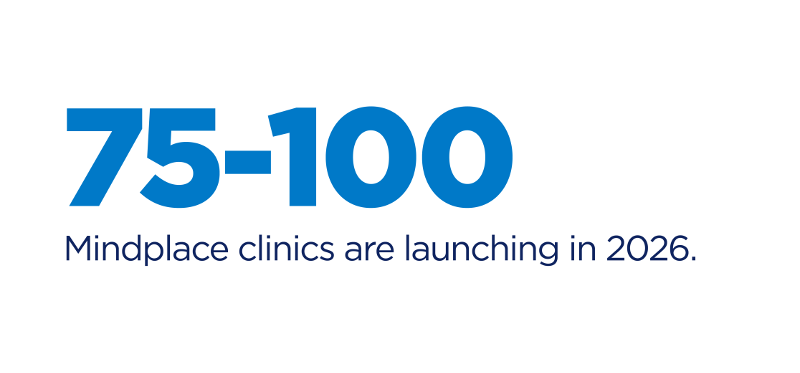
Bupa is increasing mental health coverage, expanding virtual support and rolling out Mindplace, a global network of 200 dedicated mental health clinics. More than 30 clinics have opened in the UK, Australia and Spain, with a further 75–100 launching in 2026.
New guidance by the World Health Organisation calls for a shift towards community-based care and earlier intervention. This reinforces our global priority to expand access to mental healthcare heading into the new year.
4. Genomics: from pilot to everyday care
Genomics will move from selective pilots to broader everyday use in 2026, as falling costs, faster results and improved technology make sequencing more accessible.
Genomics is already helping many people understand their risk of long-term conditions, how they respond to certain medications and what to consider before starting a family.
Bupa’s Genomic Health programme has moved out of the pilot phase and is now live in the UK, Spain, Australia, Hong Kong and Poland, with more markets planned during the year.
The NHS has also made genomics a central priority in its new 10-year plan, expanding whole-genome sequencing and newborn testing with the aim of bringing genomic insights into more routine preventive care.
5. Healthy communities: building places that support wellbeing
Place and environment are major drivers of health – and in 2026 Bupa will expand its efforts to help cities become healthier, more inclusive and more climate resilient.
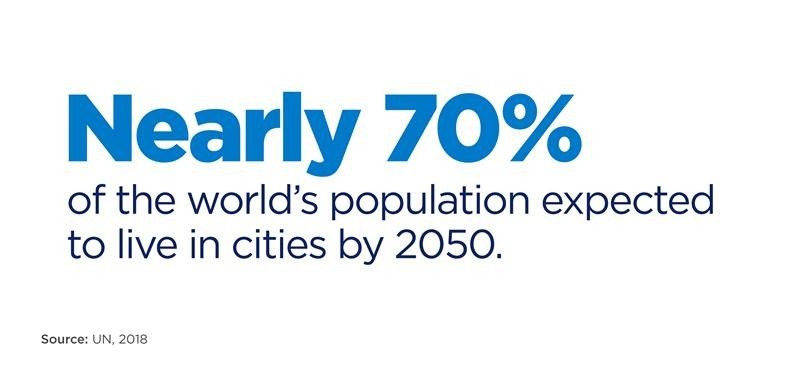
With nearly 70% of the world’s population expected to live in cities by 2050, urban environments are becoming the frontline for supporting wellbeing and adapting to climate risks. How people move, the air they breathe and the green space around them all shape everyday health.
Action has been building for a few years and in 2026, Bupa will scale up its Healthy Cities programme as a preventative health and climate-resilience initiative, helping more communities live healthier lives and adapt to changing conditions. We’ll also continue to leverage the power of storytelling to help unlock a new narrative around people and planet health.
At the same time, we are working with others to increase our impact. Through the Resilient Cities: Reimagining Health programme of work in partnership with Reckitt, Sanofi, the Resilient Cities Network and the Yale School of Public Health, we are supporting 29 cities in 19 countries to protect people’s health in a changing climate.
Partnerships with the Norman Foster Institute for Sustainable Cities will deepen, helping future architects and planners put health at the centre of urban design.
Overall, we’re aiming to extend our impact across more than 50 cities, delivering locally-led interventions that improve wellbeing, reduce climate-related diseases and build more resilient communities.
Looking ahead: A more connected, proactive model of care
These five trends present a game-changing opportunity to reshape how we look after our health and deliver care. But to have the biggest impact possible, each area must be seamlessly woven into care pathways, products and workflows so that patients, customers and clinicians can all benefit.
A lot of the foundations have been set in 2025, and the coming year will push healthcare towards a more proactive and connected model - and if we can get this integration right, we have the potential to identify and action problems earlier, enable more people to access the support they need, and better understand how the places we live can help keep us well.
What do you think will shape care in 2026?